
Business Loans for Veterinarians
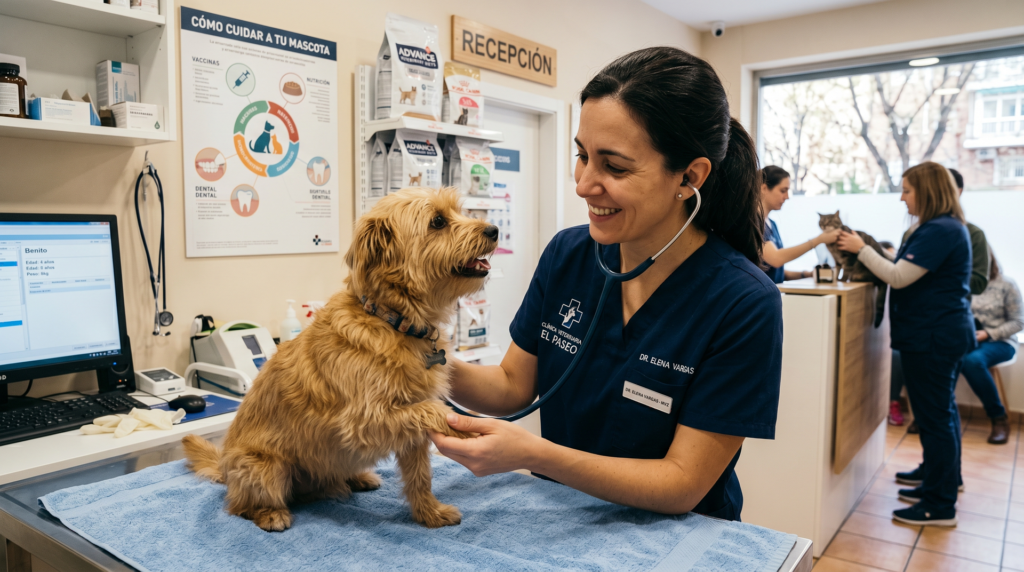
Veterinary practices often need financing for equipment, payroll, supplies, facility improvements, inventory, expansion, or cash flow timing. A clinic may have steady appointments but still need capital when expenses are due before revenue is collected.
wgmfinancial.com helps veterinarians, animal hospitals, and veterinary practice owners review financing options based on business need, use of funds, funding timeline, and repayment ability.
Direct answer: Business loans for veterinarians may be used for working capital, payroll, veterinary equipment, medications, inventory, facility improvements, expansion, acquisition, refinancing, or commercial real estate.
Veterinary Businesses Who Seek Our Financing
This page is for established veterinary business owners who want to compare funding options before applying.
- Veterinary clinics
- Animal hospitals
- Emergency veterinary practices
- Specialty veterinary practices
- Mobile veterinary practices
- Equine veterinary practices
- Veterinary surgical centers
- Pet urgent care clinics
- Animal rehabilitation providers
- Veterinary practice groups
Common Funding Needs for Veterinary Practices
Veterinary practices may need capital to manage operating expenses, purchase equipment, add services, improve facilities, or support growth.
Working Capital
Cover payroll, rent, utilities, supplies, medications, vendor payments, or temporary cash flow gaps.
Veterinary Equipment
Finance diagnostic tools, imaging systems, surgical equipment, exam tables, lab equipment, or treatment technology.
Inventory and Supplies
Purchase medications, vaccines, food, medical supplies, lab materials, or clinic inventory.
Facility Improvements
Fund exam room upgrades, kennel improvements, surgical suite updates, buildout, renovation, or expansion.
Practice Acquisition
Review financing options for buying, acquiring, or expanding a veterinary practice or animal hospital.
Commercial Real Estate
Purchase, refinance, renovate, or expand an owner-occupied veterinary clinic or animal hospital property.
Business Loan Options for Veterinarians
The right financing option depends on how the funds will be used. A veterinary clinic buying diagnostic equipment should not review financing the same way as a clinic covering payroll or managing supply costs.
| Funding Need | Financing Option to Review | Why It May Fit |
|---|---|---|
| Payroll, rent, supplies, or vendor payments | Working Capital Loan | May provide short-term capital for operating expenses. |
| Flexible backup capital | Business Line of Credit | May allow access to funds as clinic needs arise. |
| Veterinary equipment or technology | Equipment Financing | May help spread the cost of equipment over time. |
| Delayed receivables or unpaid invoices | Accounts Receivable Financing | May help turn receivables into working capital sooner. |
| Expansion, acquisition, or larger investment | SBA Loan or Term Loan | May fit larger or longer-term veterinary practice needs. |
| Clinic purchase, refinance, or renovation | Commercial Real Estate Financing | May fit property-backed financing needs. |
Working Capital Loans for Veterinarians
A working capital loan may help a veterinary practice cover short-term operating expenses. This may include payroll, rent, utilities, insurance, medications, vaccines, supplies, vendor payments, or temporary cash flow gaps.
This option may fit when the clinic has revenue but needs additional capital to manage timing gaps or short-term operating pressure. Review Working Capital Loans for Healthcare Poviders
Business Line of Credit for Veterinary Practices
A business line of credit may provide flexible access to capital for ongoing or unpredictable expenses. Veterinary practices may review a line of credit for payroll timing, inventory, emergency repairs, seasonal changes, or backup capital.
This option may fit established veterinary practices that want access to funds before a specific need becomes urgent. Review Business Line of Credit Options for Healthcare Providders
Veterinary Equipment Financing
Veterinary equipment financing may help a practice purchase or replace equipment without paying the full cost upfront. This may include diagnostic imaging systems, lab equipment, exam tables, surgical tools, dental units, monitoring equipment, software, computers, or office technology.
This option may fit when the equipment supports patient care, service capacity, efficiency, revenue, or clinic growth. Review Equipment Financing for Healthcare Providers
SBA Loans and Commercial Real Estate Financing
Veterinary practices with larger or longer-term needs may review SBA loans, term loans, or commercial real estate financing. These options may be useful for practice acquisition, clinic expansion, eligible refinancing, property purchase, renovation, or major fixed-asset investments.
These financing paths may require more documentation than faster working capital options. Review SBA Loans for Healthcare Practices/Review Commercial Real Estate Financing for Healthcae Practices
Documents Veterinary Practices May Need Before Applying
Document requirements vary by lender, loan type, funding amount, and borrower qualifications. Veterinary practice owners should be ready to explain the funding purpose, requested amount, current revenue, existing debt obligations, and preferred funding timeline.
- Recent business bank statements
- Legal business name and entity details
- Ownership information
- Monthly revenue estimate
- Requested funding amount
- Clear use of funds
- Current debt balances and payments
- Equipment quote or invoice, if applicable
- Tax returns or financial statements, if required
- Purchase agreement, lease, or project budget, if applicable
How to Match the Loan Type to the Veterinary Practice Need
The best starting point is the business problem. If the need is daily operating cash, working capital may be worth reviewing. If the clinic wants flexible access to capital, a business line of credit may fit better. If the need is tied to a specific asset, equipment financing may be more appropriate.
For larger projects like buying a practice, expanding a clinic, adding a surgical suite, or purchasing property, SBA loans, term loans, or commercial real estate financing may be better options to compare.
Funding principle: Use short-term capital for short-term needs and longer-term financing for larger assets or long-term veterinary practice investments when possible.
Download the Business Loans for Healthcare Practices Guide
Before applying, review the Business Loans for Healthcare Practices guide. This resource explains common funding options for medical practices, dental offices, clinics, therapy providers, pharmacies, labs, med spas, veterinary practices, and other healthcare businesses. Download the Healthcare Practice Guide
Recommended Use of Funds Cases
Business Loans for Veterinarians FAQ
Question: What can business loans for veterinarians be used for?
Answer: Business loans for veterinarians may be used for working capital, payroll, rent, medications, supplies, veterinary equipment, facility improvements, expansion, acquisition, refinancing, or commercial real estate.
Question: Can veterinary clinics get business loans?
Answer: Yes. Veterinary clinics, animal hospitals, and related veterinary businesses may review financing options based on revenue, time in business, credit profile, use of funds, documentation, and repayment ability.
Question: What type of financing is best for veterinary equipment?
Answer: Equipment financing may be a good starting point when the practice is buying, replacing, or leasing a specific piece of veterinary equipment. Working capital may be more appropriate for general operating expenses.
Question: Can veterinary practices get a business line of credit?
Answer: Yes. A business line of credit may help veterinary practices manage cash flow timing, inventory, payroll, emergency expenses, or uneven revenue cycles, depending on lender terms and qualifications.
Question: Are SBA loans available for veterinary practices?
Answer: Qualified veterinary practices may review SBA loan options for larger or longer-term needs such as expansion, acquisition, equipment, eligible refinancing, or commercial real estate.
Question: What documents should a veterinary practice prepare before applying?
Answer: Common documents may include recent business bank statements, revenue details, business entity information, owner information, current debt obligations, tax returns, financial statements, equipment quotes, lease details, purchase agreements, or project budgets, depending on the loan type.
Ready to Review Business Loan Options for Your Veterinary Practice?
The right financing option depends on your clinic’s funding need, use of funds, timeline, documentation, and repayment ability. wgmfinancial.com helps veterinarians and veterinary practice owners compare possible funding options before applying.
About wgmfinancial.com
wgmfinancial.com is a U.S. healthcare business financing resource and loan portal operated by WGM Direct Marketing, LLC d/b/a WGM Financial. The portal helps business owners review funding options based on business need, use of funds, funding timeline, and repayment ability.
Financing options may include working capital loans, business lines of credit, equipment financing, accounts receivable financing, SBA loans, commercial real estate financing, healthcare business loans, trucking business loans, manufacturing financing, and other small business funding options.
wgmfinancial.com is not a lender. Financing options are subject to lender review, underwriting, borrower qualifications, documentation requirements, and final approval.